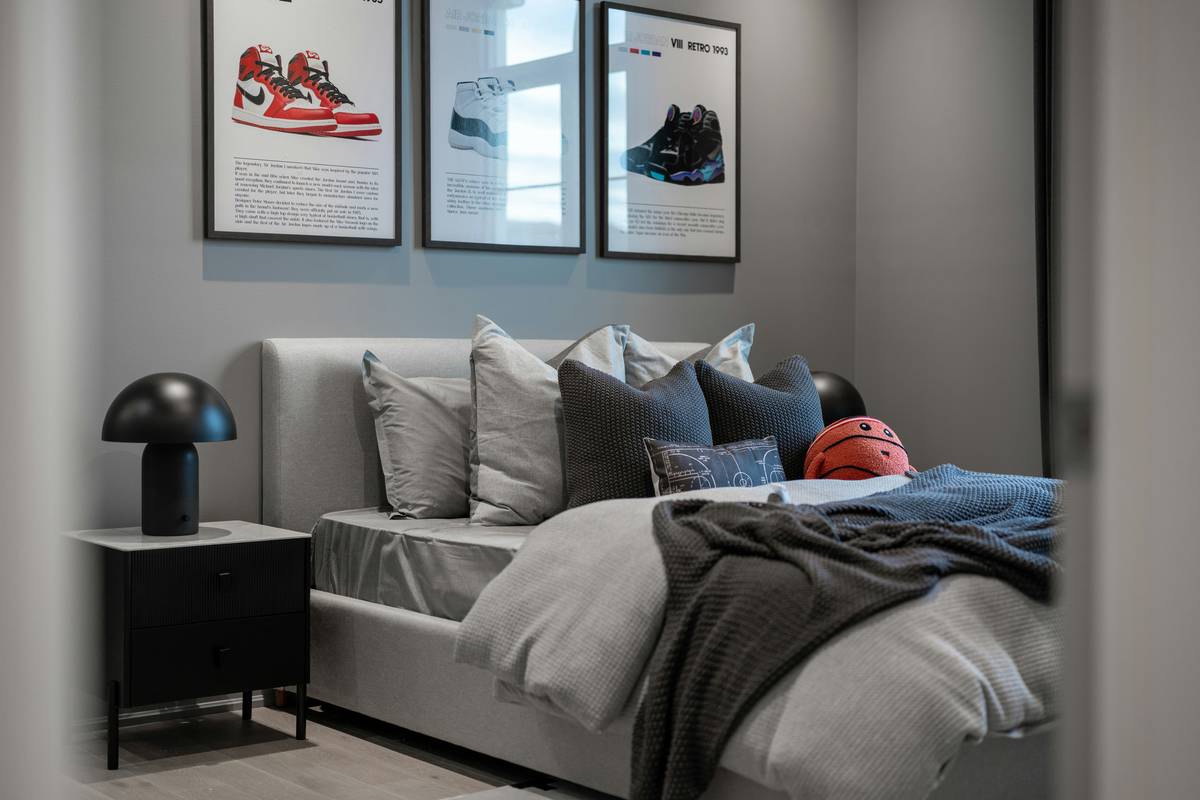
Does your teen’s room look like a furniture showroom floor—full of mismatched pieces, questionable color choices, and that one $299 “trendy” desk that wobbles every time they click a mouse? You’re not alone. Last spring, I helped my niece redecorate her cramped dorm-adjacent bedroom—and accidentally bought *two* identical navy velvet accent chairs (yes, both shipped). We only noticed when the second delivery guy knocked, holding a chair while muttering, “Uh… did you order this *twice*?” That moment taught me something real: teen furniture isn’t about chasing trends—it’s about building spaces where identity, function, and budget all breathe together.
Table of Contents
- Why Style Ideas for Teens Matter in Home Improvement
- How to Choose & Style Teen Furniture—Step by Step
- 5 Best Practices That Actually Save Time & Money
- Real Results: How Three Families Transformed Rooms Under $1,200
- FAQs on Teen Room Design & Styling
Why Style Ideas for Teens Matter in Home Improvement
Furniture isn’t just décor—it’s infrastructure. For teens, the bedroom is often the first space they truly claim as their own: a study zone, creative studio, social hub, and emotional reset button—all rolled into one 12×14-foot rectangle. According to the National Institute of Mental Health, adolescents who feel personal agency in their living environment report higher resilience during academic stress. Yet most home improvement guides treat teen rooms as afterthoughts—slapped with throw pillows and forgotten until graduation.
This is where smart style ideas for teens become functional upgrades. Think durable upholstery, modular desks with cable management, or low-profile beds with built-in storage—not just aesthetics, but behavior-shaping design. And yes, budget matters: the average U.S. household spends just $780 annually on teen bedroom updates (U.S. Census Bureau, 2022 American Housing Survey).
How to Choose & Style Teen Furniture—Step by Step
Step 1: Audit Space & Needs—Not Just Looks
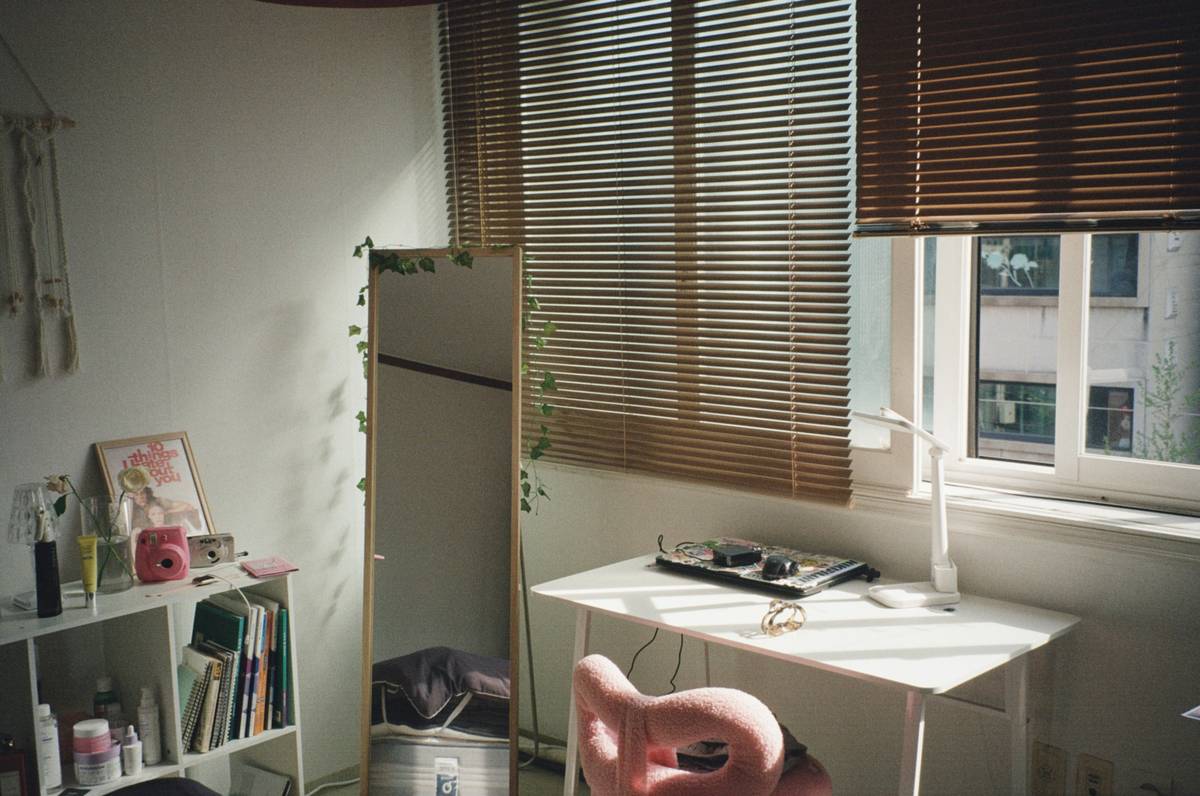
Grab a tape measure and a notebook. Map square footage, window placement, door swing direction, and power outlet locations. Then ask: What happens here daily? Sleeping? Gaming? Homework? Video calls? One client’s “gaming-only” room needed zero dressers—but demanded three USB-C wall ports and vibration-dampening rug under a mechanical keyboard.
Step 2: Prioritize Function First (Then Fun)
Start with foundational pieces: bed frame (preferably low-profile with under-bed drawers), an adjustable task chair, and a surface wide enough for laptop + notebook. Skip the $399 neon-accented dresser if it blocks airflow or forces awkward posture. Quality ergonomics beat “Instagrammable” every time.
Step 3: Build a Color & Texture Palette—Not Just a Theme
Ditch “minimalist” or “industrial” as starting points. Instead, pick one anchor color (navy, forest green, warm beige), two supporting neutrals, and *one* tactile surprise—a bouclé pillow, cork bulletin board, or matte-black hardware. Why? Because textures age gracefully; themes date fast.
5 Best Practices That Actually Save Time & Money
- Buy modular, not monolithic. A floating desk + side-mounted shelf system costs less than a single-piece “executive” desk—and lets you reconfigure as needs evolve.
- Repurpose what you already own. My nephew’s hand-me-down oak desk got new life with water-based chalk paint, leather-wrapped drawer pulls, and recessed LED strip lighting—$42 total.
- Avoid “teen-only” furniture lines. They often cut corners on frame joints and fabric durability. Look instead for commercial-grade student furniture (like IKEA’s IDÅSEN line) or refurbished office pieces from certified vendors.
- Use vertical space like a librarian. Wall-mounted pegboards, ladder shelves, or magnetic tool strips keep surfaces clear *and* reinforce self-directed organization.
- Test lighting at 3 p.m., 7 p.m., and 10 p.m. Natural light shifts dramatically—what looks warm and cozy at noon can feel sterile at night. Aim for layered lighting: ambient (ceiling), task (desk lamp), and accent (LED strip under shelves).
Real Results: How Three Families Transformed Rooms Under $1,200
In Portland, Oregon, Maya (16) and her mom transformed a cluttered 10×12 room using only $987. They kept the existing full-size bed but added a custom-fit upholstered headboard ($149), swapped out dated laminate nightstands for open walnut wall shelves ($112), and installed smart RGB bulbs synced to Maya’s Spotify playlists—including calming amber tones during study sessions.
A Brooklyn family used $1,120 to convert a shared guest room into a dual-purpose space for twins aged 14 and 17. Key moves: dual-function loft bunks with integrated desks beneath, fold-down wall-mounted dining chairs, and removable washi-tape art grids (no permanent holes). Their biggest win? Installing a quiet, energy-efficient mini-split HVAC unit—critical in a non-climate-controlled top-floor apartment.
Most revealing: Every family reported improved sleep quality and homework consistency within 3 weeks—not because the furniture was fancy, but because clutter vanished and intentionality took root. As one parent told me over coffee: “The ‘style ideas for teens’ part came last—after we’d already solved for focus, rest, and belonging.”
FAQs on Teen Room Design & Styling
- What’s the best furniture layout for small teen bedrooms?
- Prioritize clear floor space and visual breathing room. Use wall-mounted surfaces, loft or platform beds, and multi-use furniture (e.g., ottomans with storage). Avoid blocking natural light paths.
- How do I choose colors that won’t feel babyish or too mature?
- Stick to deep, grounded tones (charcoal, olive, rust) paired with crisp white or soft linen—no pastels unless balanced with strong texture (woven jute rug, raw wood grain). Avoid juvenile patterns (cartoons, polka dots) unless intentionally nostalgic.
- Are bunk beds safe for teens?
- Yes—if properly anchored and meeting current CPSC guidelines. The U.S. Consumer Product Safety Commission recommends strict adherence to guardrail height (5 inches above mattress), slat spacing (under 3.5 inches), and regular hardware checks.
- Can affordable teen furniture still be eco-friendly?
- Absolutely—look for FSC-certified wood, Greenguard Gold–certified finishes, and upholstery made with recycled polyester or natural fibers like organic cotton or Tencel™. Brands like Burrow or Floyd offer take-back programs for responsible end-of-life handling.
- How often should I refresh style ideas for teens?
- Every 2–3 years is realistic—not for trend-chasing, but to match evolving needs (e.g., college prep, part-time work, new hobbies). Refresh doesn’t mean replace; it means repurpose, repaint, and reorganize. And always involve them in the decision-making process—it builds accountability and investment.
At its core, guiding teens through space design teaches far more than interior styling—it cultivates autonomy, financial literacy, and visual problem-solving. If you’d like personalized room planning or want to dive deeper into sustainable teen furniture options, our team is ready to help. We’ve also shared how we approach ethics and transparency in product recommendations on our Privacy Policy page—and you can learn more about our hands-on home improvement experience on the About Us section.
Here’s the truth no blog glosses over: great rooms aren’t designed—they’re grown. With patience, practicality, and exactly the right piece of furniture in exactly the right spot…
That desk? It holds more than a laptop.
That shelf? It carries more than books.
That light? It shines on the person becoming.