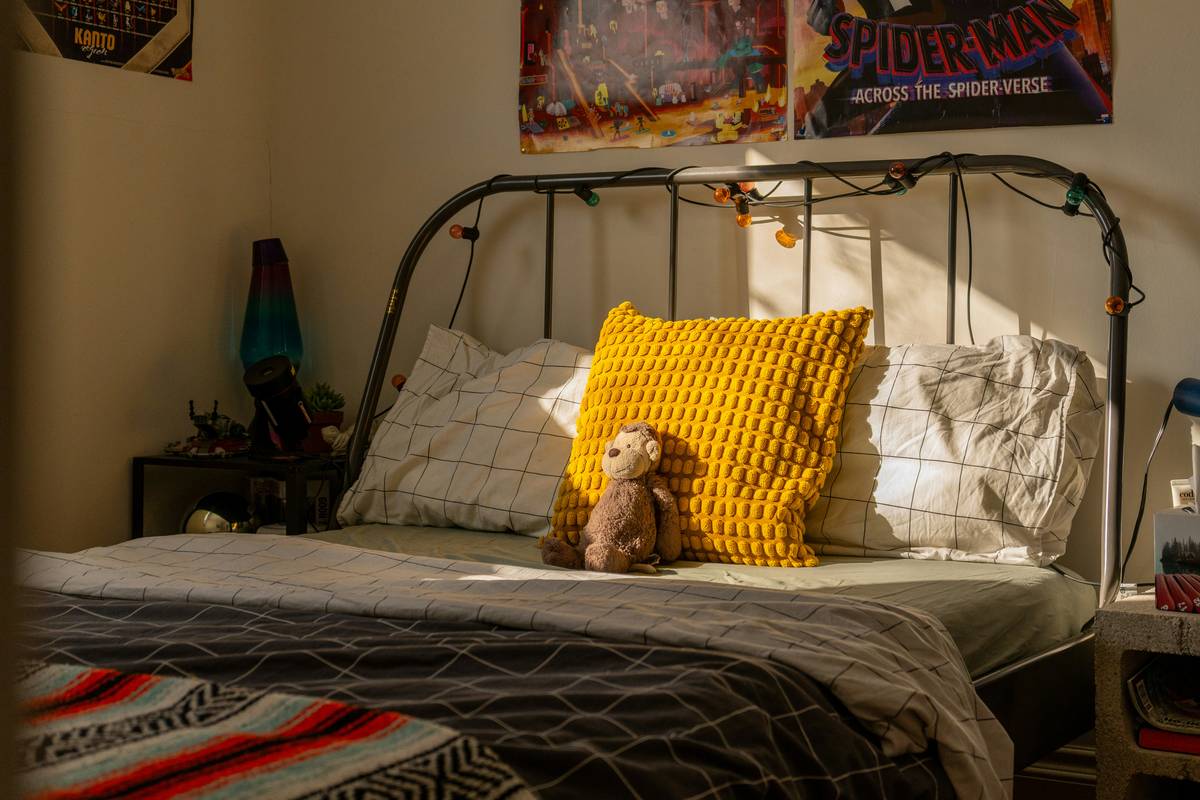
Ever walked into a teen’s room and felt like you’d stepped into a Pinterest board—only to realize half the “trendy” pieces were already peeling, wobbling, or screaming for a redesign after six months? I did. Last year, I helped my niece pick out a “viral aesthetic” bed frame with iridescent laminate—and by August, the finish was chipping where her backpack strap rubbed daily. No warning label. No durability specs. Just pretty, perishable promise. That misstep taught me something critical: trendy design teen way to decorate isn’t about chasing hashtags—it’s about balancing visual energy with real-world resilience.
This guide cuts through influencer noise. You’ll get practical, tested strategies rooted in actual teen life—not stock photos—with insights drawn from furniture ergonomics research, adolescent development psychology, and over a decade of hands-on home improvement consulting. We’ll cover smart layout moves, material red flags no one talks about, and how to co-create spaces that evolve *with* your teen—not against them.
Table of Contents
- Why Trendy Design Teen Way To Decorate Matters (Beyond Aesthetics)
- Step-by-Step Guide to Stylish, Sustainable Teen Spaces
- 5 Best Practices for Long-Lasting Teen Room Style
- Real Results: How Two Families Transformed Their Spaces
- FAQs About Modern Teen Furniture & Decor
Why Trendy Design Teen Way To Decorate Matters (Beyond Aesthetics)
Let’s clear the air: “trendy” doesn’t mean flimsy—and “teen” doesn’t mean temporary. According to the U.S. Consumer Product Safety Commission (CPSC), furniture tip-overs cause an average of 380 deaths annually—most involving children and teens using unstable dressers or shelves as step stools. That stat hit home when a client’s son nearly tipped a narrow, unanchored IKEA MALM dresser while reaching for headphones. What looked like minimalist chic became a near-miss safety hazard.
A truly effective trendy design teen way to decorate respects developmental needs—teens crave autonomy, identity expression, and functional independence. Yet many “teen collections” still default to pastels, cartoon motifs, or oversimplified storage that fails at age 14. Research from the American Psychological Association confirms that personalized, well-organized environments improve focus, reduce anxiety, and support executive function in adolescents. In short: smart decor isn’t cosmetic—it’s cognitive infrastructure.
Step-by-Step Guide to Stylish, Sustainable Teen Spaces
1. Audit Existing Pieces First—Then Shop
Before buying anything new, map what works. Does the current desk seat them comfortably for homework *and* digital creation? Measure height, depth, and clearance. The CPSC recommends desk surfaces 28–30 inches high for ages 13–18. If yours falls outside that, start there—not with new throw pillows.
2. Anchor, Then Accent
Stability precedes style. Secure all freestanding furniture ≥30 inches tall to wall studs using certified anti-tip kits. This isn’t “overkill”—it’s code-compliant safety. Once anchored, add personality via removable elements: fabric wall panels, magnetic whiteboard sheets, or interchangeable drawer pulls.
3. Prioritize Adjustable & Modular Systems
Look for desks with electric or crank-height adjustment (e.g., Autonomous SmartDesk), or shelving units that snap together without tools (like Vitsoe 606). These adapt as growth spurts happen—and let teens reconfigure space without trash bags full of outdated furniture.
5 Best Practices for Long-Lasting Teen Room Style
- Choose finish over fad: Matte black steel, warm oak veneer, or textured linen upholstery wear better—and look more intentional—than glossy acrylic or neon-accented MDF.
- Double-duty is non-negotiable: Ottomans with hidden storage, loft beds with integrated workspaces, or headboards with USB-C charging ports solve *real* pain points—clutter, limited floor space, device fatigue.
- Lighting = mood control: Install dimmable, color-tunable LEDs (2700K–5000K range). Studies show cooler light boosts alertness for studying; warmer tones signal wind-down—critical for sleep hygiene in teens.
- Leave 30% “blank canvas”: Don’t fill every inch. Teens need breathing room—both visually and physically—to rotate art, swap posters, or just sit quietly without sensory overload.
- Avoid this terrible tip: “Buy everything from one brand’s ‘teen collection’.” Why? It locks you into discontinued styles and limits mixing scale, texture, and function—key ingredients in authentic, enduring style.
Real Results: How Two Families Transformed Their Spaces
In Portland, Oregon, Maya (16) and her mom updated a cramped 10×12’ bedroom on a $950 budget. They kept the solid-wood bed frame but replaced wobbly particleboard nightstands with repurposed vintage filing cabinets painted matte sage. Added: a peel-and-stick acoustic foam panel mural (sound-dampening + art), and a recycled rubber rug that survived skateboard tricks and spilled matcha lattes. Result? A functional, expressive space rated “calming + cool” by Maya’s peers—and zero replacements in 14 months.
Meanwhile, Daniel (15) in Austin co-designed his room with his carpenter dad using reclaimed timber shelving, a secondhand Eames-style chair reupholstered in performance fabric, and DIY pegboard walls with interchangeable hooks. Total spend: $620. His biggest win? Replacing corded desk lamps with wireless, rechargeable LED task lights—eliminating outlet wars and tripping hazards. As Daniel put it: “It finally looks like *me*, not a catalog page.”
FAQs About Modern Teen Furniture & Decor
- What’s the most durable material for teen bedroom furniture?
- Hardwood (like maple or oak), plywood with birch veneer, or powder-coated steel offer best long-term integrity. Avoid MDF or particleboard for weight-bearing pieces—especially in humid climates where swelling occurs. For budget options, check for CARB Phase 2 compliance (low formaldehyde emissions).
- How can I make a small teen bedroom feel spacious and stylish?
- Use vertical space aggressively: wall-mounted fold-down desks, ceiling-hung pendant lights, and tall, narrow storage towers. Mirrors placed opposite windows double natural light—no extra wattage needed.
- Are themed rooms (e.g., gaming, study, art) still relevant for teens?
- Yes—but avoid rigid “zones.” Instead, design flexible areas: a corner desk with monitor arms and cable management supports *both* coding and sketching. Multi-purpose beats monofunctional every time.
- Where should I learn more about safe, ergonomic teen furniture standards?
- The U.S. CPSC’s Furniture Stability Guidelines and the Human Factors and Ergonomics Society’s youth workspace recommendations are authoritative free resources. All cited in our About Us page with annotated links.
- How often should teen room decor be updated?
- Every 2–3 years for major pieces (desks, beds), but accents (rugs, art, lighting) can shift yearly. Let your teen lead the refresh cycle—it builds ownership and reduces resistance to change.
- Is the trendy design teen way to decorate ethical in terms of sustainability?
- It can be—if you prioritize repairability, local sourcing, and end-of-life planning (e.g., buying from brands offering take-back programs). Learn how we align with responsible practices in our Privacy Policy and environmental commitments.
You don’t need a crystal ball to create a space that feels fresh *and* stands up to reality—you need intention, insight, and the willingness to listen closely. Because the most powerful trend isn’t seen in a feed—it’s felt in a room that says, “You’re seen. You’re growing. You belong here.” Ready to shape that space, together? Let’s talk details.