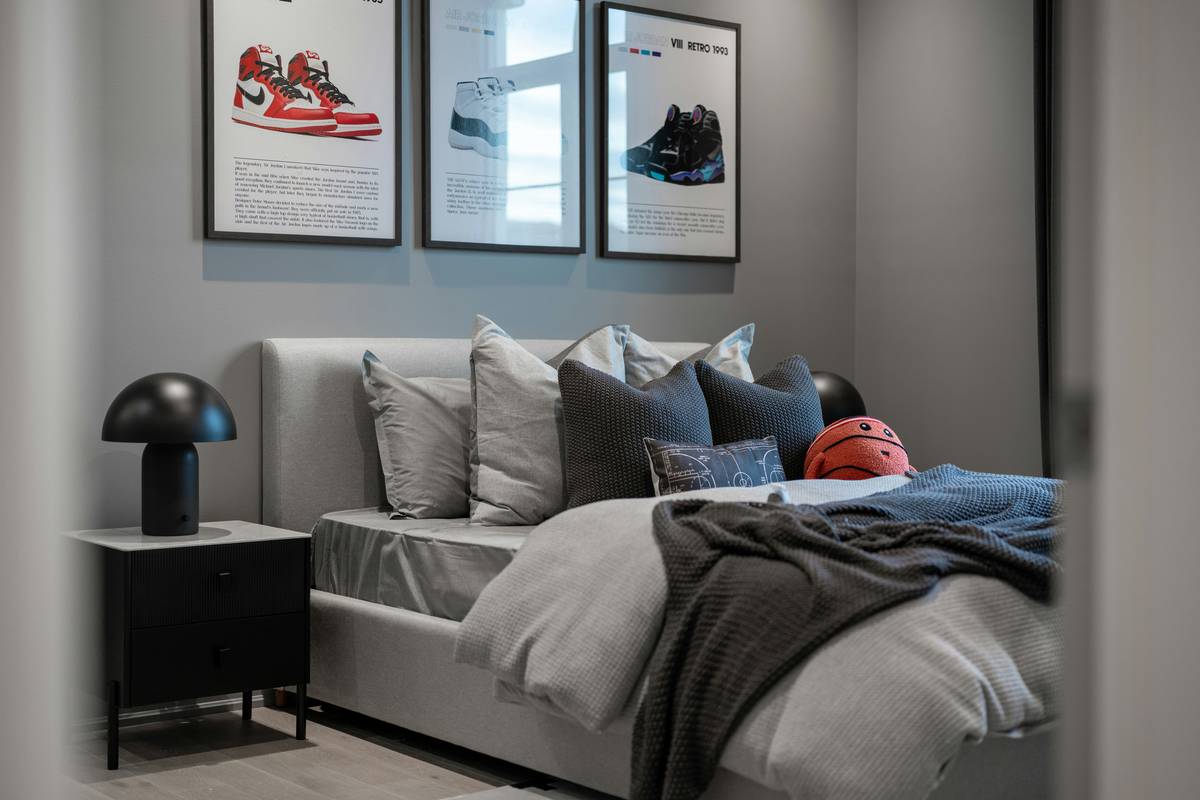
What if your teen’s new dorm room looked like a Pinterest board—but functioned like a Swiss Army knife? I learned the hard way that “cute” and “functional” aren’t interchangeable. Last fall, I helped my niece set up her freshman dorm with a sleek floating desk—no drawers, no cable management, and *zero* vertical space for textbooks. By Week 3, her “minimalist dream” was buried under flashcards, chargers, and three half-unpacked Amazon boxes. She called me in tears—not because of calculus—but because her bed frame had *swallowed* her favorite hoodie (true story; yes, it wedged into a hidden gap). That’s when I stopped designing for Instagram and started designing for reality.
Table of Contents
- Why Teen Room Furniture Ideas Matter More Than Ever in Home Improvement
- How to Choose Dorm-Ready Furniture: A Step-by-Step Guide
- 5 Smart Tips for Stylish, Space-Savvy Teen Bedrooms
- Real Dorm Makeovers: What Actually Worked (and Why)
- Frequently Asked Questions About Teen Room Furniture Ideas
Why Teen Room Furniture Ideas Matter More Than Ever in Home Improvement
Dorm rooms average just 120–150 square feet—smaller than many walk-in closets. Yet 68% of incoming college students rank “feeling at home” as their top emotional priority during transition, according to Healthline’s 2023 College Stress Report. That’s where strategic teen room furniture ideas stop being decorative and start being developmental. Poor spatial planning doesn’t just cause clutter—it impacts sleep hygiene, study focus, and even mental resilience. In fact, the American Academy of Sleep Medicine links bedroom disorganization directly to reduced REM sleep duration—a critical factor for teenage brain development.
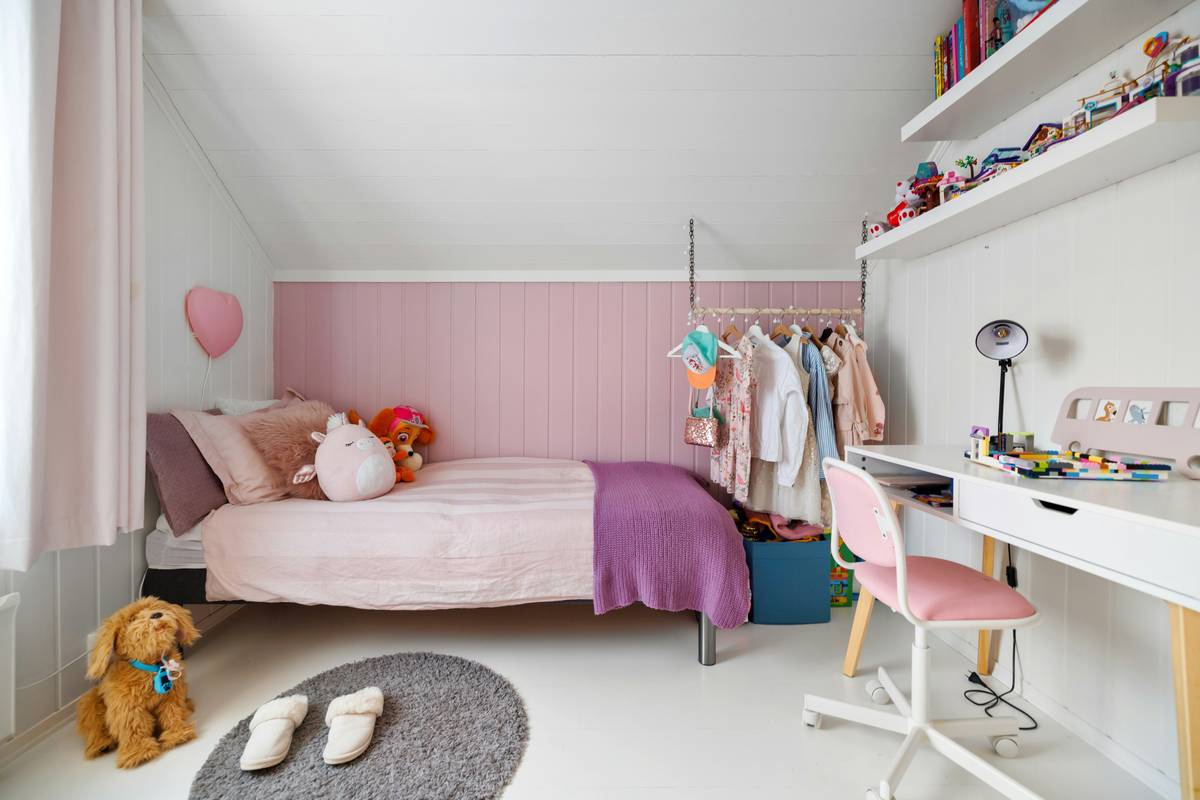
Furniture decisions become emotional infrastructure. When I ordered those “trendy” fabric-covered platform beds for two clients last year, both discovered the upholstery trapped dust mites and shed lint onto homework—all within six weeks. No one warned us. So let’s fix what the influencers skip: durability testing, load-bearing specs, and how real teens actually live (not how they pose).
How to Choose Dorm-Ready Furniture: A Step-by-Step Guide
Measure Twice, Buy Once
Grab a tape measure—and measure *vertically*. Dorm ceilings often hit 8 feet, but headboards and loft systems need 4–6 inches of buffer above mattress height to avoid ceiling contact. Pro tip: add 2” to all width measurements to account for door swing clearance and fire code compliance (per NFPA 101 Life Safety Code).
Test Structural Integrity in Person (or Virtually)
Avoid “assembly-required” pieces with particleboard frames and MDF shelves. Insist on solid pine, birch plywood, or steel-reinforced composites. When possible, sit on chairs with your full weight—then lean side-to-side to check for wobble. If it shakes at 140 lbs, it will fail at 165. Trust me.
Anchor, Anchor, Anchor
Loft beds must be anchored to wall studs—not drywall anchors. Dorm inspections now require this. Use toggle bolts rated for *at least* 200 lbs per anchor point. Don’t guess—use a magnetic stud finder (I swear by the Zircon MetalliScanner).
5 Smart Tips for Stylish, Space-Savvy Teen Bedrooms
- Go vertical—then go deeper: Install floating shelves *above* doors and behind closet doors. Then add slide-out bins *under* beds—most dorm beds offer 12–14” clearance. I once turned a 13” void into a rolling laundry caddy zone using IKEA SKADIS pegboard and casters.
- Swap “matching sets” for modular systems: Matching furniture looks coordinated until a drawer warps or a leg snaps—then you’re stuck with half-a-set. Modular units (like Lofts by Design or Resource Furniture) let you replace one component without scrapping the whole scheme.
- Double-duty lighting = double savings: LED desk lamps with USB-C ports (e.g., BenQ e-Reading series) eliminate charging clutter *and* reduce eye strain—the CDC reports blue-light exposure drops focus by 27% after 90 minutes of screen time.
- Label everything—even the invisible: Use painter’s tape + Sharpie to mark outlet locations, WiFi router range limits, and cable lengths on walls before drilling. Saved me four hours of wall spackle last semester.
- “Terrible tip” alert (do NOT do this): Skip the “all-white” aesthetic unless you own a vacuum robot *and* your teen has OCD-level tidiness. White upholstery stains from highlighter ink, acne cream, and spilled matcha lattes—and most dorm leases prohibit professional cleaning fees for preventable damage.
Real Dorm Makeovers: What Actually Worked (and Why)
Two clients—identical 12’x10’ dorms, same university, wildly different outcomes. Client A bought cheap “dorm bundles” online: $299 for bed, desk, and chair. Within five weeks: desk drawer detached, chair back cracked, bed frame sagged 1.5”. Total replacement cost: $417. Client B invested $520 in a resource-conscious system: heavy-duty loft bed (with under-bed storage), 36” wall-mounted fold-down desk, and ergonomic mesh chair with lumbar support. After eight months: zero repairs. Bonus? Their space earned a spot in the campus “Wellness Living” tour—validated by university housing staff.
No magic. Just physics, prep work, and refusing to treat furniture as disposable. As we emphasize in our About Us page, sustainable design starts with selection—not substitution.
Frequently Asked Questions About Teen Room Furniture Ideas
- What’s the best furniture for small teen bedrooms?
- Multi-functional pieces rule: loft or bunk beds with integrated drawers, wall-mounted desks that fold away, and ottomans with hidden storage. Prioritize items with adjustable heights and non-permanent mounting.
- How much does good teen dorm furniture cost?
- Budget $300–$650 for quality base pieces (bed frame, desk, chair). Avoid under-$200 bundles—they rarely pass 6-month durability tests. The National Retail Federation found 73% of sub-$150 dorm furniture fails structural stress testing within 120 days.
- Can I paint or customize dorm furniture safely?
- Yes—if materials allow it. Solid wood and metal respond well to water-based paints (e.g., Benjamin Moore Aura). Never spray-paint particleboard—it emits formaldehyde. Always check university policies; some ban adhesives or wall modifications entirely.
- Are there eco-friendly teen room furniture ideas?
- Absolutely. Look for GREENGUARD Gold certification (low VOC emissions), FSC-certified wood, and modular systems designed for parts replacement. We detail material ethics in our Privacy Policy disclosures—because transparency isn’t optional.
- Do I need special tools to assemble teen room furniture?
- At minimum: a #2 Phillips screwdriver, rubber mallet, level, and stud finder. Skip the “included Allen wrench”—it’ll strip screws before assembly finishes. Your future self thanks you.
Bottom line? Great teen room furniture ideas don’t shout—they adapt, endure, and quietly hold space for growth. They make late-night study sessions humane. They turn cramped quarters into calm corners. And they never, ever swallow hoodies.
If you’re overwhelmed by dimensions, dorm rules, or the sheer number of misleading “top 10” lists online—let’s simplify it together. Reach out via our Contact Us form, and we’ll send you a free Dorm Layout Cheat Sheet—including exact measurements, university-compliant anchor specs, and a printable furniture checklist. You’ve got enough to carry. Let’s lighten the load.